Sunday, 29 April 2018

Rainy Days and Poo Sticks


So this week I have been playing poo sticks. Not the fun kind of pooh sticks with twigs, a bridge and a stream, but the kind that involves smearing poo on plastic windows to be tested for bowel cancer. Yet another unpleasant, but necessary ‘treat’ for the older person. For women these procedures start with a smear test when you’re 25, then the joy of mammograms when you reach 50. Poo sticks arrive when you’re 60. It amazes me that the invitations always arrive on or around your birthday - a special gift from the NHS! 

Run away!!!

I am a basically sensible person, and always take advantage of the various screening programmes, but each time I do I have a mild panic attack. What if they find something? How will I cope? I have never been any good at facing my fears, preferring to bury my head in the sand and run away, but as I get older I realise that I can’t outrun things forever. I’m not being maudlin - most of the time I don’t give my mortality a thought…well, some of the time…but it does give you a different perspective.

Splurge!

I was brought up to be careful with money. While I am partial to an occasional splurge, I have always saved, lived within my means and, even when I divorced, managed to be financially independent. When I retired my income was substantially reduced and, although I am fortunate in that I can manage day-to-day, if I use my savings pot for something, I am unable to replace it. This freaks me out. Is this my rainy day? It doesn’t feel like it, but I seem to have reached the point where I need to say, ‘Spend the lot, you can’t take it with you!’ But being prudent is so much a part of me that I constantly struggle.
For example, last week my husband ordered a shed to replace the one we inherited when we bought this house. But in demolishing the shed, we also demolished the garden wall! 

At least we've still got a gate...

The additional expense this has incurred has completely panicked me. I know we are lucky enough to have the money, and I also know that the new shed will mean that I will actually be able to open the door and get my bike out. But the sleepless nights! I wouldn’t mind but it was my idea…no-one else to blame!

But my bike needs a new home...

I am very appreciative of the fact that I am financially secure - I can help my family out when they need it while I am still around to be thanked by them. But when it comes to myself I find it so difficult and anxiety inducing. I guess it’s the ‘low self esteem’ card showing itself again - I am not worthy! I am on a pendulum swinging between ‘Be careful’ and ‘Sod it’, and I’m still not sure where to jump off!  

Sod it, I'm screwed!

Benjamin Franklin once said, ‘in this world nothing can be said to be certain, except death and taxes’, so I’m probably screwed either way!

Friday, 13 April 2018

Saying Yes

It’s been so long since I wrote a blog post I may have forgotten how to do it! Impossibly I have now been living in the land of the blue rinse for almost two years. For the first year I mostly felt a sense of relief, and enjoyed being able to do nothing at all if I felt like it. 

Gets boring after a while...

Sometime during the second year, doing nothing started to lose its attraction - partly because an enduring knee injury prevented me from being physically active, and partly because, quite frankly, it’s boring!

In an attempt to do something about it, I decided I would try and say yes to more things that came my way. This has meant overcoming low self esteem, social anxieties and my classic ‘I can’t be bothered’ demeanour.

Was this a wise 'yes'?

I’ve written at length about my ‘boudoir shoot’ which did a massive amount to improve my confidence in myself at the time. Looking back, I still can’t quite believe I did it - it was my equivalent of a bungee jump over Niagara Falls, and I really had to force myself to say ‘yes’ not only to the shoot, but also to agreeing to the photos being shared.

Gin, peppercorns...who knew?

A seemingly trivial thing I said ‘yes’ to was going out with my sister-in-law for a drink. Writing it down seems ridiculous, but it was to somewhere I’d never been, with people I’d never met. Both things challenge me, and there were times when I would have made an excuse. But I didn’t, and not only did I have a lovely time, I tried lots of new gins too!


But the thing I said yes to that has had the most impact on me was agreeing to go along to a local writing group. A friend asked me, so I did know somebody, but after the first meeting I honestly thought that it wasn’t for me - everyone wrote poems, and there was a talk by an erstwhile author who had self-published two books. Not my cup of tea (or coffee - I don’t drink tea!) I missed the next meeting, but then was persuaded to try again, and I am so happy that I did. Each month gives me something to write about, I love listening to what others have written and everyone is so welcoming. 

I've got notebooks and everything!

Through the group I found a short creative writing course at the local library, which opened up even more horizons for me. I actually enjoy writing poetry now and proudly read my efforts to anyone who will listen! And at least if I’m unable to sleep I will muse on how I can interpret this month’s title, or how I can start my novel, instead of the usual worries that regularly keep me awake. Maybe now I need to find a reading group!

Sunday, 11 February 2018

It doesn't have to be this way...

Friends forever!

I recently read an article on the BBC News website about attacks on Teaching Assistants in special schools. The implication was that they felt that suffering violence was seen by leadership to be part of their job and to be ‘expected’. Having worked in Complex Needs Schools for most of my working life, I know exactly how they feel. My team and I bear the scars, both physical and emotional, of working with children with extreme autism and associated learning needs. The close involvement with the pupils means that you do accept behaviours from them that you would not countenance in a mainstream school. However, that does not mean that these behaviours were accepted without question, and that is where I feel the article fell short.
While I appreciate that the main thrust of it was from the point of view of the adults, nothing was said about possible reasons for challenging behaviour. In my experience, the first thing that teams in these situations ask is ‘why?’ What is it that the child is trying to tell us? Because there is little doubt, in my mind at least, that for non-verbal children with autism, behaviour is their most basic form of communication. 

A better way...

They may well be laying on the floor screaming, but what are they trying to tell you? There could be any number of reasons, from physical discomfort to not understanding what is happening next. The onus on the professionals involved is to carefully observe and come up with a hypothesis as to what is going on for individual children. In fact, one of the things I have missed the most since I retired is the ‘problem solving’ element of my job: How can I support children to learn? What is it that we need to change to support them? How can we teach them a better way of responding? Because while we recognised they were trying to tell us something, clearly we weren’t going to let our pupils think that kicking or spitting was an appropriate way to tell us!

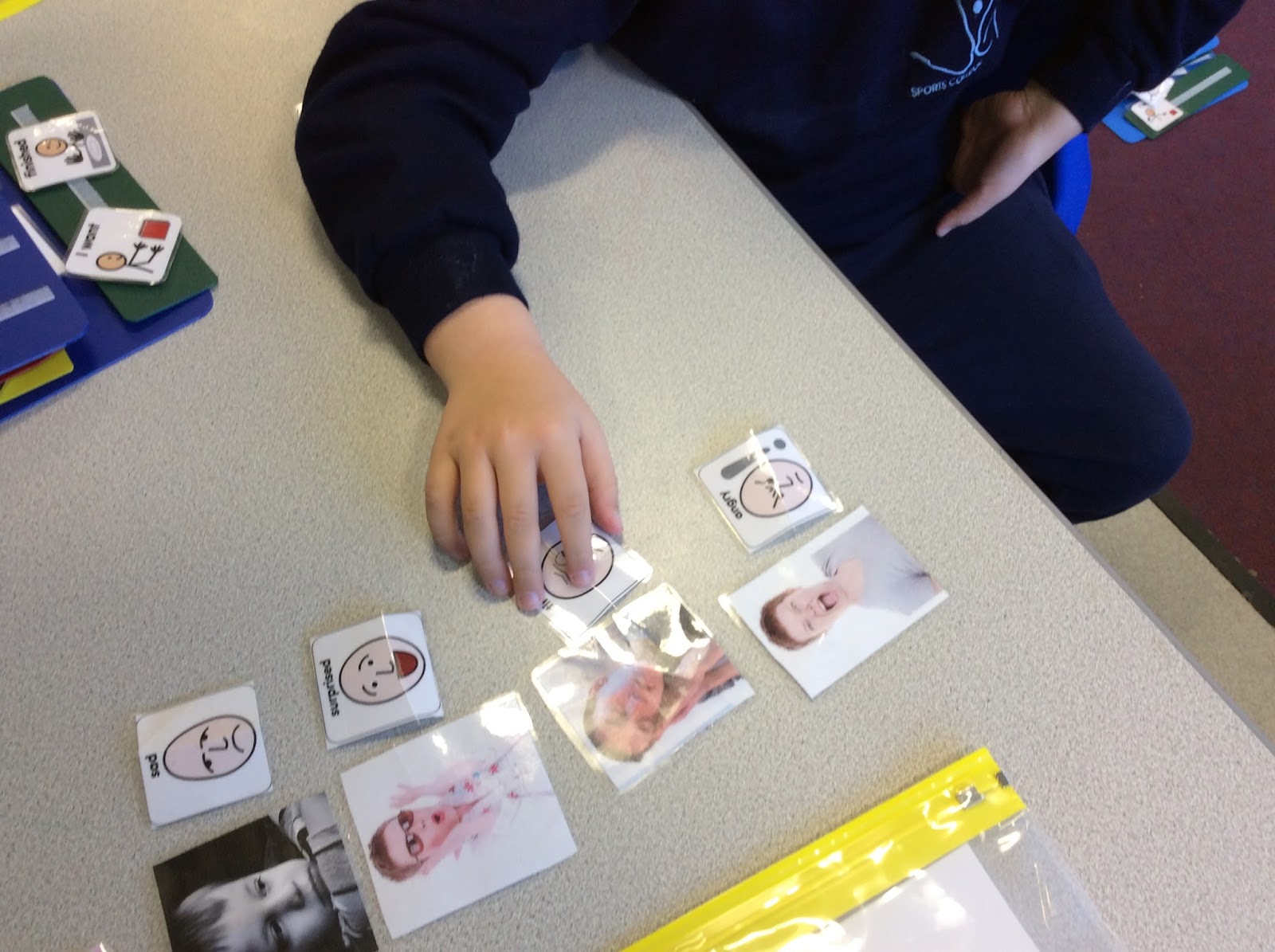
Understanding emotions

The only way, as a school, we had successful outcomes for some of our more challenging students was to alter the way we did things and provide them with a bespoke environment to meet their needs, and adapt the curriculum accordingly. 

Working independently - Attention Autism

The ‘Attention Autism’ programme transformed the way I taught. The basic premise is that if you want children to learn, you have to make it worth their while learning! It’s not easy - you need to be confident in what you are doing and show that the pupils are making progress. 
It didn’t always work - some students need the level of support that only a 24 hour curriculum can provide - but when it did, it was amazing. By asking ourselves what those complex, stressed and anxious children were telling us with their challenging and, sometimes bizarre behaviour patterns we were able to slowly help them find better ways. 

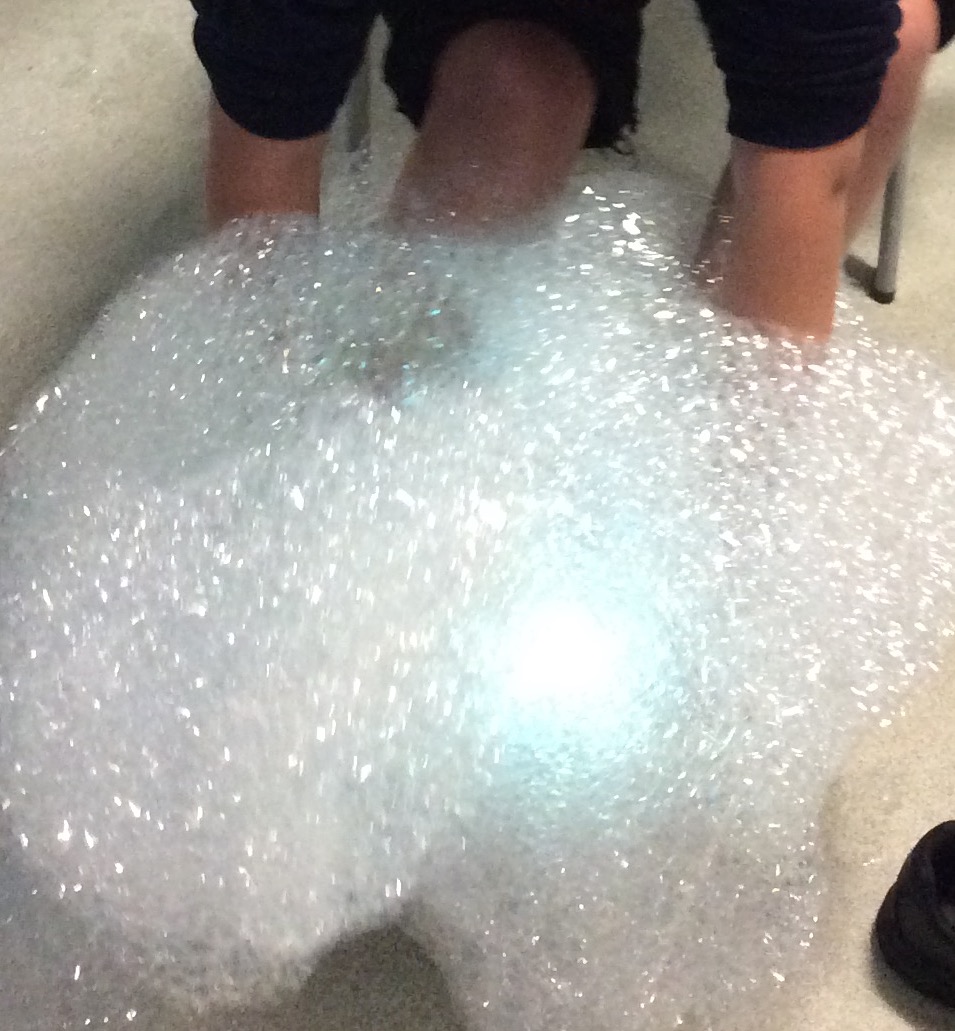
Addressing sensory needs

It could have been through offering them visual support, teaching them to use symbols or pictures to communicate or addressing their sensory needs but the key was always consistency - it could be tedious and relentless, but it enabled us to build trusting relationships which lasted way beyond their time in our classes. 

So engaged

I still see one of my former pupils - he comes to cook his dinner in my house sometimes - and he still trusts that his friend and respite carer and me will behave and treat him in the same way as we always have. He even trusts us enough to have allowed us to persuade him to try ice skating at Christmas!

He really needed a taller penguin!


When we listen to children and young people with autism, and successfully interpret what their behaviours are telling us it can be truly joyful. 

A joyful relationship
That is why you will find teachers and TAs in Complex Needs schools around the country putting up with far more than anyone should have to in their place of work.

Wednesday, 7 February 2018

I am woman, hear me roar...

This is probably less personal than the posts I usually write, but it is something that I feel very strongly about, so I guess that makes it personal. And there’s only so many times you can write about being fed up!

My husband, my best friend but above all, my equal

Yesterday saw the one hundred year anniversary of women getting the vote in the UK. It would be another ten years before they enjoyed that right on an equal footing with men. It astonishes me that, a century later, there are still institutions and companies that find it acceptable to pay women less than men, despite the fact that they are doing the same job. You only have to look at the machinations at the BBC to see that.

Gripping...

Coincidentally, yesterday was also the day that I went to see ‘The Post’, Stephen Spielberg’s latest film about the events leading up to the publication of the damning Pentagon Papers. Im a real sucker for a good journalism movie - All the President’s Men, It Happened One Night, Spotlight - and found The Post absorbing and thought provoking. The main thrust of the story, and the reason that the director rushed to make it, was the role of the press in shining a clear and rational light on things that administrations would prefer the public not to know, and the freedom to publish. It was truly gripping, and actually evoked a fist pump from me when the printing presses started to roll! But, as with all great films, there was an intriguing subplot - the role of women. 

I want to read this...

Katherine (Kay) Graham was the first female publisher of a major American newspaper, but only because her husband died. She has been quoted as saying that she was proud that her father ‘gave’ the paper to her beloved Phil, and that it never occurred to her that she would be considered suitable to take on such an important job. Astonishing! The Post is punctuated by scenes depicting how women were regarded in the early seventies - the male advisor taking over in a key meeting, the bankers assuming they know best, female clerks waiting outside the doors of the New York Stock Exchange and even Graham herself demanding more columns about fashion to please her female friends. Watching Meryl Streep portray Graham’s shift towards doing what she felt was right, in the face of all opposition and the possible loss of all she held dear was breathtaking.

Nearly an adult!

I was slowly emerging as an adult in the mid-seventies, and spent time railing against inequality in my youth. I never actually burnt a bra, but I flirted with Women’s Lib when I was at college. There is no doubt that since I waved a placard in 1975, major strides have been made, but there are still circumstances when women are discriminated against, purely because of their gender. 

My placard waving friends in 1975 - where are they now?

I never had to break through a glass ceiling in my career, but very few men worked in the Special Needs or Primary sector of education when I started out. I don’t think thats true anymore, but I’m willing to bet that its the females on the staff that get asked to do the more ‘pastoral’ or ‘care’ aspects of the job, while the men play football with the lads. I appreciate that’s a sweeping statement, but I’m sure there’s a grain of truth in it.
Looking forward, the #metoo campaign has served to shine a clear light on how people, largely female, have been exploited by those in power, Carrie Grace has fallen on her sword to demonstrate the inequalities at the BBC, and there is a heartening number of women in politics. And yet there are still clubs that refuse the admittance of woman (although, to be fair, would you really want to be a member?) and  young women who do nothing to promote the cause - if I hear one more say, ‘I didn’t bother to vote, I don’t get politics’ I will tie them down and make them watch the footage of Emily Davison being trampled by the King’s horse in 1913. 

On a stamp...must be important!

I’m sure that if they had to endure the lot of women in less enlightened times, they’d pretty soon see that ‘politics’ isn’t only about men (and women) in suits, Brexit and the budget, it’s what underpins the entire structure of our lives. You’ve got to be in it, to win it!


Tuesday, 30 January 2018

How I hate the Beast!

Every year, at this time, I fall into a slough of despond. In truth I feel it starts much earlier, with the changing of the season, but it is skilfully disguised by me throwing myself into Christmas ridiculousness. There’s a reason my family get so many presents - apart, of course, from the fact that I love them dearly, I am also distracting myself with the purchase of Christmas pants!

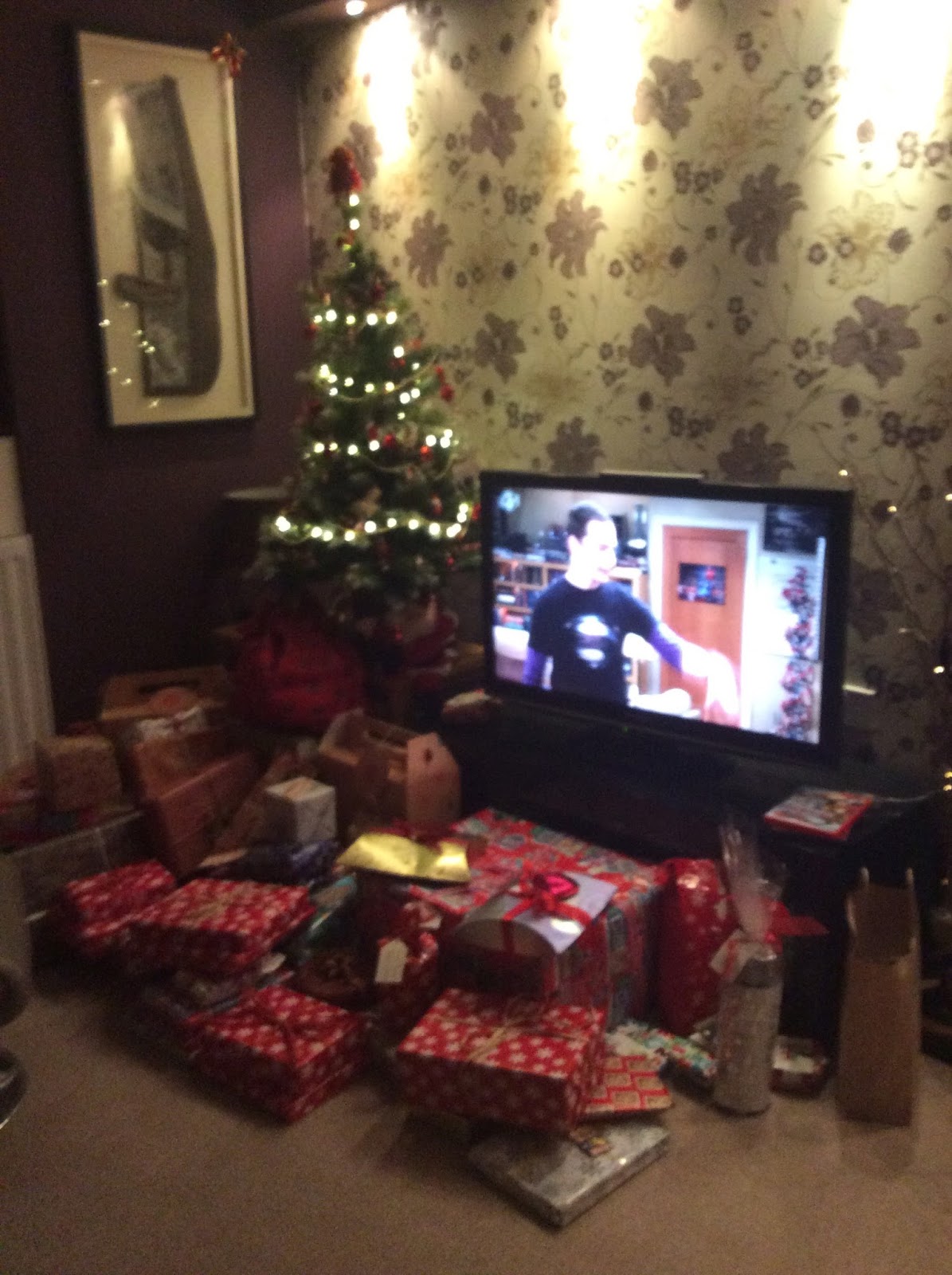
So many presents - ridiculous!

By the end of January, however, seasonal excitement is forgotten and I am truly downhearted.
If I’m honest, it seems worse since I retired. Not because it is, but because I have more time to notice my feelings. I was sufficiently professional to carry on despite my feelings and, provided there were no major crises, turned up and did my job every day. Now I have much more time to navel gaze and over analyse how I am feeling, and how I am feeling is not great.
Experience has taught me that it will pass, and the coming of the Spring will also see the return of some equilibrium in my mood. 

Roll on Spring!

Strangely that doesn’t help for now…and neither does self awareness. I am fully aware that I am thoroughly difficult to live with, snarling, growling and, mostly, sighing. I know that if I got off my, not inconsiderable, backside and spent some time in the garden, baking or going for a walk I would feel so much better but, well, I can’t be bothered! 

Just go for a walk...

I can also acknowledge that I have nothing whatsoever to be miserable about - I have a caring husband, wonderful children, no financial worries and am reasonably fit and healthy. 

Nothing to be down about

But that’s the thing about depression - it doesn’t just choose to inflict itself upon people who have something to be depressed about. It’s a little trick it has to make sufferers feel guilty about feeling that way. It is a cunning beast - there’s a reason it’s been described as a ‘black dog’ - and sometimes it does feel like a living entity.


Honest!

I refuse to be scared of the beast, however, and writing about my feelings is one way of facing it down until normal service is resumed in the Spring! Now excuse me while I go and stare into space, and sigh…

Thursday, 4 January 2018

Just saying...

Bless me reader, for I have sinned - it is eight weeks since my last post! To be honest, anything I would usually write at this time of year is mostly related to my issues dealing with shorter days, how much I dislike winter, in spite of my love of cosiness and candles, and how hibernation seems really appealing!

Loving candles...

But I’m not going to write about that!
The dust has now settled after the festive season, and my house is now back to ‘normal’, with the welcome addition of some new nice things, and I have had time to reflect on the past few weeks. We were lucky enough to have a lovely Christmas - visits from family, good food and thoughtful gifts - and lots of happy memories created. 

Glorious plant stand! 

Hare and tea light lanterns!

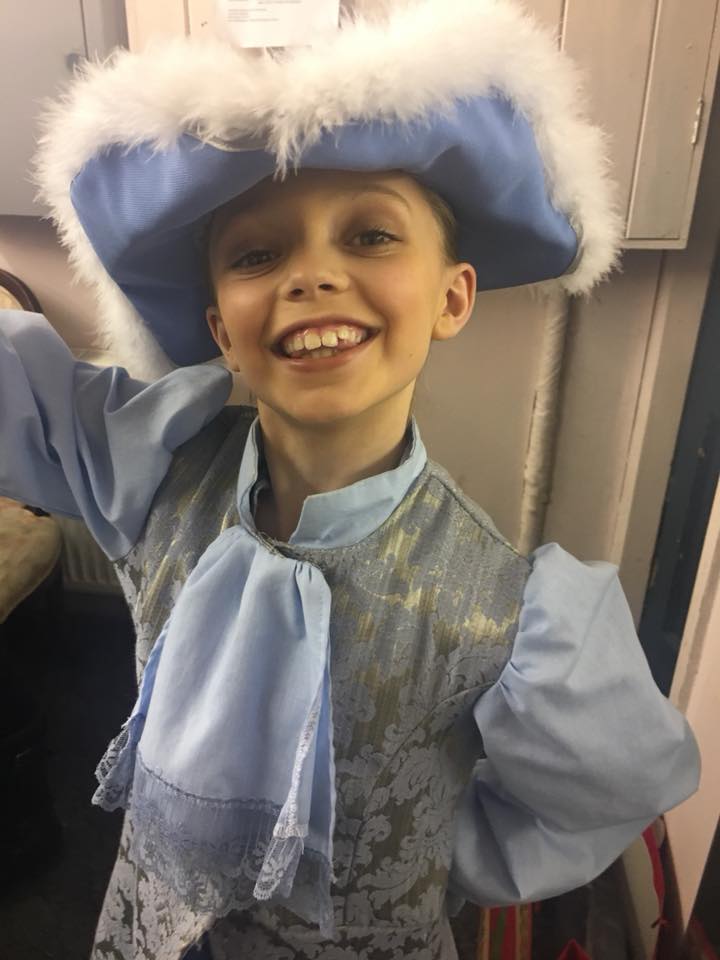
It struck me that two of the things I enjoyed the most were a visit to my granddaughter’s ballet class and seeing my great niece, perform in professional panto at a local theatre (oh yes she did!) It was completely joyous to watch both these beautiful girls, aged 6 and 8, dance and act. 

She's behind you! 

How lucky they are to have parents that value the performing arts, and have the wherewithal to allow them to do it. It is no coincidence that both their mums danced when they were younger.
My children did not dance, but they did both learn instruments and this gave them a richness in their lives that they wouldn’t otherwise have had. Previous Christmases have seen me proudly watching my son perform the Snowman on his violin, and quietly snivelling as my daughter played ‘Have Yourself a Merry Little Christmas’ to me on the piano. Despite my changing finances, following my divorce, I was determined that, whatever happened, I would continue to fund my children’s music lessons, and, to this day, they both have a love of music and playing their instruments.

Still playing their instruments, many many years after this!!

And then I started to wonder about all those children whose parents didn’t dance, didn’t have the benefit of private music lessons, but who would gain so much from the discipline, the concentration, the teamwork that comes from being involved in performing? The answer used to be, of course, that all children would have these opportunities when they went to school. But in these straitened times you don’t have to google for too long to find examples of schools cutting back on their performing arts provision  - not only can they not afford to employ specialist staff, they also feel that they  can no longer afford the curriculum time. There is so much pressure on schools to deliver incremental improvements in maths and english that they are almost scared to do anything else. Before I retired I worked in a class delivering specialist autism provision. I can say now (safe from Ofsted’s reach) that if the curriculum didn’t fit, we pretty much ignored it. 

A vehicle for communication...

We used it as a vehicle to deliver what our students really needed - opportunities to communicate, interact and cope with things not always going to plan (a common occurrence in my classroom!) Our students were so caught up in their own consciousness that, sometimes, our bonkers music sessions were the only thing that they did together. Did it fit the curriculum? Probably not. Did the children benefit? Definitely. Not so sure about the staff - I think they still have nightmares! The point is that sometimes access to something other than a prescriptive curriculum can have untold benefits. 

Watching her friends

There’s a huge amount of maths in music, and watching my granddaughter hanging onto the words of her dance teacher and watching the other dancers made me realise how hard she was concentrating. I found a fascinating article about how a school in Bradford has improved its SATs results by giving its pupils six (yes, six) hours of music a week 

It actually scares me that some of our children, especially those living in socially deprived areas, could grow up experiencing an ever narrowing curriculum and miss out on experiences that could not only support them academically, but also help them to be more rounded individuals as they go through life. 

Just saying…

Saturday, 11 November 2017

Remembrance

My hero...

If you look up ‘remembrance’ in the dictionary, alongside ‘the act of remembering and showing respect for someone who has died or a past event’ it also says ‘a memory of something that happened in the past’. The fear is that, after all these years, fewer and fewer people actually remember the wars. The last veteran to serve in the trenches in World War One was Harry Patch, who died in 2009, and year on year there are noticeably fewer veterans from World War Two at the Cenotaph, who have real memories of the conflict. Looking to the future, this can only make the act of remembrance increasingly more abstract.

I have no answers for how to fix this, but I can talk about my experiences of how I was taught about, what I thought of as ‘the war’, when I was small.

Would we have been here?

Every Sunday, my family would have tea (not dinner, that was for lunch time) and sit together around the table eating ham, salad, and home made cakes and biscuits. Afterwards my dad would regale us with tales from his time in the army. He’d joined the army as a medic shortly after the Second World War was declared, only a month after he’d married my mum. 

A month before the outbreak of war

Most of the stories he told were lighthearted and funny - about how he travelled the country to get home on leave, doing his best not to pay his train fares. He argued that the government was sending him miles from home, so why should he pay to get back! The scarier recollections were usually about his time on leave, when my mum and dad were fired on by a German fighter plane, or the damage done to the family home by a bomb raid. Although he shared tales of getting seasick on manoeuvres (practice for D-Day) or getting tipsy one Christmas on sherry trifle in a hospital in Burma, he didn’t really talk about any of the horrific things that he must have seen. 

This was new information!

However, during a period of prolonged ill-health, he decided to write his ‘memoirs’. We were older by this time, and me and my brothers and sister teased him mercilessly. We thought we’d heard the tales a million times, and couldn’t think why any one else would want to read them. And then we read them. My dad was a total hero. He landed in Normandy  on D Day, and was promoted in the water, because his sergeant got swept away and drowned. He travelled on an ambulance jeep to reach the wounded under sniper fire, with only the red cross to ‘protect’ him and, at the end of the war, helped clean up and reclothe inhabitants of concentration camps. And all this in his twenties and early thirties. The other underlying thread of his stories was how much he loved my mum and how desperate he was to get home to her. My hero!

My lovely Mum

I think of everything to do with remembrance, what resonates with me is that these men and women were so young. We see veterans and think of them as ancient. But they weren’t when they were fighting, battling to make the World a better place for others, separated from their loved ones. I am well aware that there have been many
other conflicts since - the Falklands, Iraq, Afghanistan - but the people involved in the two World Wars had no choice. They weren’t career soldiers, and if they didn’t enlist, they were conscripted.


I am, at heart, a pacifist and my dad always said he would only enlist as a medic - he didn’t want to carry arms - but I recognise the sacrifice that over a million people made, and it is right that we remember them. Whether you do that wearing a poppy, or by taking a quiet moment to think about where we would be if no-one had stopped the Nazis, you should do it. And when poppies are being sold and your children ask why, maybe take some time to explain that thousands of young men and women went to war to protect the World from evil and make it a better place. Then there’s a chance that, even if nobody actually remembers the conflicts, we can all honour and show respect for past events.