Showing posts with label education. Show all posts

Thursday, 6 September 2018

All a Matter of Trust

So on Tuesday I went on an adventure. I’m sure, to many of you, a shopping trip would not be classed as an adventure, but this one was, for any number of reasons.

A shopping adventure!

I went with my friend Eleanor (@thesaltedtail) and our mutual friend Sam into Norwich to buy a toy white pony. This was at Sam’s request - something to do with Mr Tumble - so we sallied forth, in a state of unbridled (forgive the pun) excitement.

Our boy!

I have written about Sam before. He was a pupil in my class until I retired, and has since become my friend. He is thirteen, almost fourteen, has severe autism and a host of associated difficulties and it is fair to say that Eleanor and I love him. It is also fair to say that we don’t ‘play safe’ when we take him out - ice skating, ten pin bowling, new places to eat - and he invariably copes with all that we throw at him!

On the bus

It wasn’t until I was looking through the photos that I took yesterday that I thought about how amazing Sam is. From the point of view of ‘autism professional’, we broke all the rules yesterday, and it could, and probably should, have been an unmitigated disaster. We used no visual supports, he had no timetable, we took him into a shopping centre and overloaded all his senses and even decided, at the last minute, to take him on the Park and Ride bus. And yet he coped. 

Phew, not too busy...

He happily rode upstairs on the bus, saying ‘cheese’ for the selfie, and looking at the things we pointed to out of the window. He used an underpass, following our direction, as well as escalators. He navigated crowds of people without invading their personal space or holding onto our arms, and entered the hell that is the Build a Bear Factory far more happily than I did! Fortunately it was quiet and Sam was able to identify the white pony he wanted and take it to be stuffed. 

This is the one!

I have to say at this point that the girl in Build a Bear was brilliant. Not patronising or over-compensating, just matter of factly helping Sam stuff his pony and instructing him on not touching hot things and waiting while she finished stitching. Just as she would anyone else. Perfect. 

Of course his name is Cecil...

Sam duly typed out his pony’s birth certificate (White Pony Cecil) and proudly carried his purchase from the shop.

Lunchtime

Then lunch in the mayhem that is a shopping centre food court. So many choices. So many places to get chips and gravy. And yet Sam happily accepted a jacket potato with cheese and beans, eating it beautifully while White Pony Cecil looked on. Feeling more confident and embracing the ‘what else should we do’ vibe, Eleanor thought it would be nice for Sam to choose a birthday present for his sister. After texting his Mum for ideas, we set off to the toy shop. 

So many things!

More overwhelming lights, small gangways and brightly coloured ‘stuff’ piled high on shelves. Sam was fascinated by everything with a number or alphabet on it, but managed to choose a gift, pay and leave as if he did it every day. We’d promised him a brownie, so we visited Eleanor’s shop so he could choose one. Then, rotters that we are, we told him he could eat it on the bus. And yet he accepted this, even letting us take him into Tiger, just to look at all the cool things. He chose a pull toy for his dog and paid for that too, before catching the bus. It was only on the bus that he got a bit noisy, but I think that was the sugar rush of a brownie!
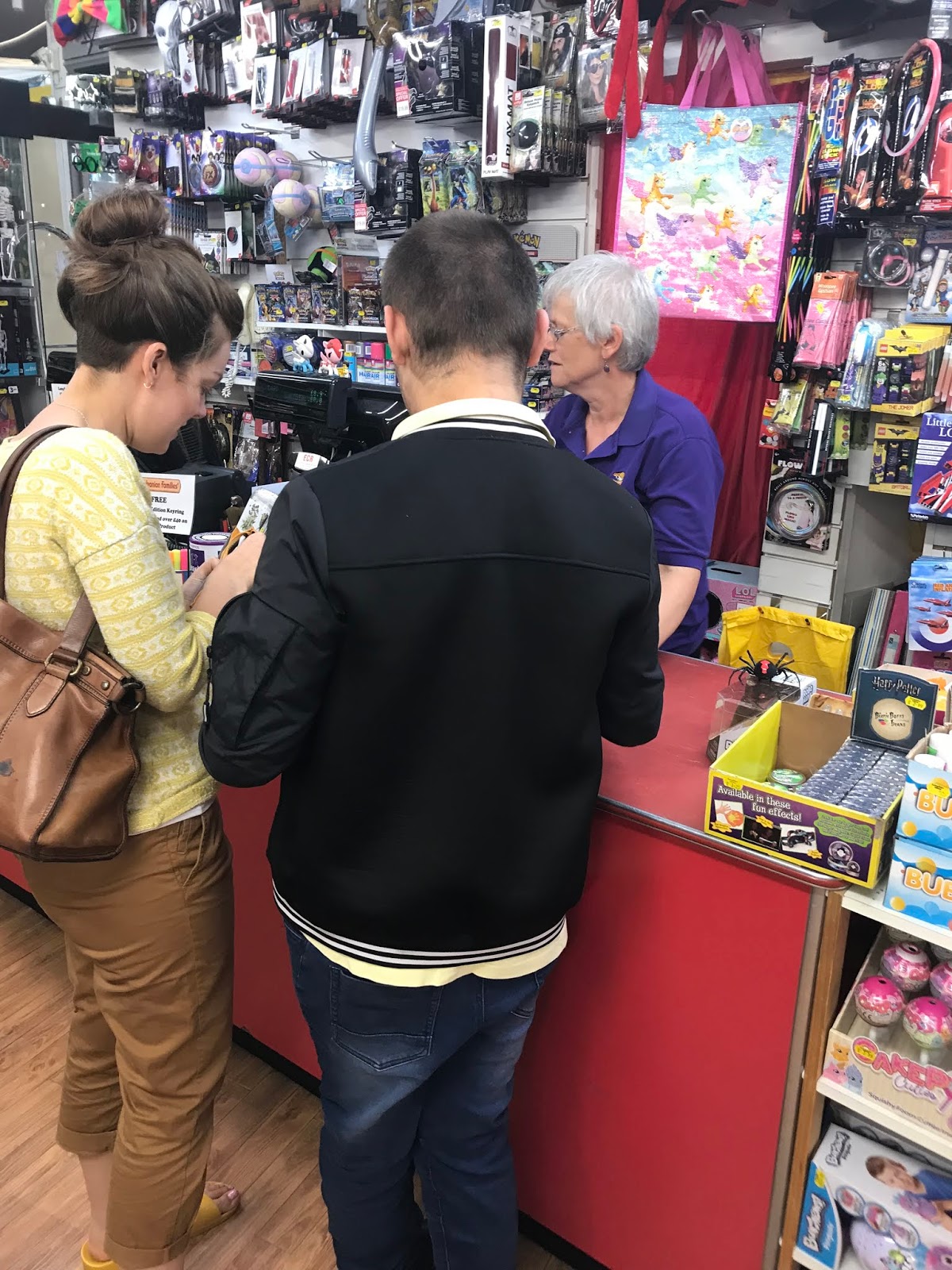
So proud!

Honestly he was brilliant, and we were both so proud. We’ve already decided we’d like to take him clothes shopping, although he’s rather keener on getting a saddle for White Pony Cecil! 

So why wasn’t it a disaster? How did Sam cope with all of that without a melt down, or at the very least a refusal to wait for his brownie? It is true that we have learned to give Sam lots of time to process verbal instructions and information, and Eleanor had checked that White Pony Cecil was in stock, but what it really boiled down to was trust. For the past five or six years we have worked at building relationships with Sam that are wholly based on trust. He has learned that we mean what we say and will follow through. In the early days this could be challenging, but by persisting and being consistent, Sam has come to trust us. If we say he will get to eat his brownie on the bus, he knows we will let him. If we say he will be fine, he believes us, even when we are pushing his feet into ridiculously rigid ice skating boots! 

Definitely needs a saddle!

I like to think I taught Sam a great deal while he was my pupil, but the ability to trust has perhaps been the greatest gift, and one that will hopefully support him as he gets older and moves towards more independence. Sam has a brilliant family that love him dearly. And he knows this and tests the chinks in their unconditional love armour at every turn. My children were certainly always better behaved when they were with someone else!

So, my message to all the teachers and support workers out there, about to start working with a child with autism in your setting - be consistent, mean what you say and don’t say things you can’t follow through. Use all the tools that research tells you will support their learning and their understanding - it’s these things that help them to feel safe. Develop ways to communicate, and always listen and acknowledge what they are saying- even if they’re telling you they want a balloon in the middle of a maths lesson. You don’t have to give them a balloon, just let them know that you’ve ‘heard’ them. Yes it’s relentless, yes it’s tedious, but the outcomes can be amazing. Every child with autism is different, they all face different obstacles to learning every day and some may continue to express their anxieties through challenging behaviour.  But don’t you think that the very least they deserve is someone in their corner that they can believe - someone they can trust when they say, ‘Come on, just try, you’ll be fine.’ Trust - if only we could bottle it.

Tuesday, 22 May 2018

Mind Your Language!

Because I have recently discovered writing as a hobby, I have found myself increasingly fascinated by language and how to use it. I’m currently working on a poem for my writing group and constantly revisit it, wondering if there are better words I could use, or if I could be a bit more clever in my imagery. 

Wicked and pernicious - who knew?

On Sunday my son was drinking a beer made with what the brewery described as ‘pernicious’ hops. I immediately jumped on the word and determined that I was going to get it into my poem!
Another thing that has always interested me is how we use idioms to enrich our language. The Guardian recently ran a quiz to find out if idioms can be recognised once translated from their language of origin. 


I have the proverbial cockroach...

I managed to get 8 out of 10, but some of them were hilarious. For example, in South Korea, if something is extremely amusing they say they laugh ‘until their navel falls out’, and if you ‘have the cockroach’ in France, you are well and truly fed up! The point of the quiz was to illustrate how difficult it can be to translate novels into English from other languages. I imagine it is equally tricky to do the opposite and translate English works into German, Swedish, Japanese. Do ‘letting the cat out of the bag’, ‘sitting on the fence’ and ‘hitting the sack’ really mean the same to people in other countries?

I fear the cat is out of the bag!

The main reason I began to think about how we use idioms and other linguistic tools was because of how people with autism respond to them. In general, idioms, similes and metaphors go right over their head, and if we are to communicate effectively we really need to analyse our language and how we use it. Years ago I was trying to encourage one of my pupils to ask for help. As he stood at the door, unable to reach the top handle, I asked him what he needed. ‘A ladder’ came the entirely reasonable reply. The point is, we understood his literal take on the question. 

Just what he needed!

That we couldn’t respond for laughing is another, probably unprofessional, thing, but we weren’t cross or annoyed. In a mainstream setting it may have been a different matter, and the child in question could easily have been perceived as being cheeky or rude. 
I spent a lot of time in my last few years of teaching working with mainstream schools to support children with autism. Whilst key changes like the use of visual support and structure were relatively simple to implement, changes around language were much more complicated. 

Visual support is the easy bit...

Our language is embedded in us at an early age, and we pick up phrases and words that have always stood us in good stead. Teachers, especially in primary settings, want their pupils to be comfortable and happy, and language is their biggest tool - explaining what is going to happen, what the children need to do and how the class rules work. The trouble is that, for children who struggle to process language, it is all too much. There were times in my classroom when it felt as though I was talking to a dog rather than a child, but ‘sit’ is far more easily processed than ‘time to sit down now to do our work’. ‘Work’ is another open ended term that can mean just about anything in school - sums, writing, reading, catching a ball in PE, digging a garden in science. 

Oh, this kind of work...

Surely specifying a task makes it accessible to every child in class - truly inclusive!
Another thing that teachers, parents, grandparents fall into is focussing on telling children what we don’t want them to do, rather than what we do want them to do: Stop shouting; Don’t break the pencil; Stop pinching. It’s not much of a seachange to say: Quiet; Put the pencil down; Hands down. Sorry to say, but I have no truck with ‘Kind hands’ - how can hands be kind for goodness sake? - surely far better to say keep your hands still, or put your hands in your lap. I can’t help thinking life would be so much less complicated if we focussed on telling people what we want them to do. 

He does it...eventually!

If I said, ‘Could you mow the lawn please?’ to my husband instead of saying ‘God the garden’s in a state’ things might get done a little bit quicker! 
It is not always easy. I never did find a positive way of asking a child to stop biting me - ‘keep your teeth still’ never quite cut it! But I did work with children who had very many complex needs alongside their autism. I firmly believe that, with the right support, many children with autism can learn in a mainstream setting, but part of what needs to change for this to be successful is how we use language in the classroom.


Entirely logical!

A couple of weeks ago The Salted Tail and I were helping our friend Sam to plant some strawberries. When we asked him for something to ‘open’ the grow bag. He came back with a tin opener. We laughed until our navels fell out. I rest my case… 

Sunday, 11 February 2018

It doesn't have to be this way...

Friends forever!

I recently read an article on the BBC News website about attacks on Teaching Assistants in special schools. The implication was that they felt that suffering violence was seen by leadership to be part of their job and to be ‘expected’. Having worked in Complex Needs Schools for most of my working life, I know exactly how they feel. My team and I bear the scars, both physical and emotional, of working with children with extreme autism and associated learning needs. The close involvement with the pupils means that you do accept behaviours from them that you would not countenance in a mainstream school. However, that does not mean that these behaviours were accepted without question, and that is where I feel the article fell short.
While I appreciate that the main thrust of it was from the point of view of the adults, nothing was said about possible reasons for challenging behaviour. In my experience, the first thing that teams in these situations ask is ‘why?’ What is it that the child is trying to tell us? Because there is little doubt, in my mind at least, that for non-verbal children with autism, behaviour is their most basic form of communication. 

A better way...

They may well be laying on the floor screaming, but what are they trying to tell you? There could be any number of reasons, from physical discomfort to not understanding what is happening next. The onus on the professionals involved is to carefully observe and come up with a hypothesis as to what is going on for individual children. In fact, one of the things I have missed the most since I retired is the ‘problem solving’ element of my job: How can I support children to learn? What is it that we need to change to support them? How can we teach them a better way of responding? Because while we recognised they were trying to tell us something, clearly we weren’t going to let our pupils think that kicking or spitting was an appropriate way to tell us!

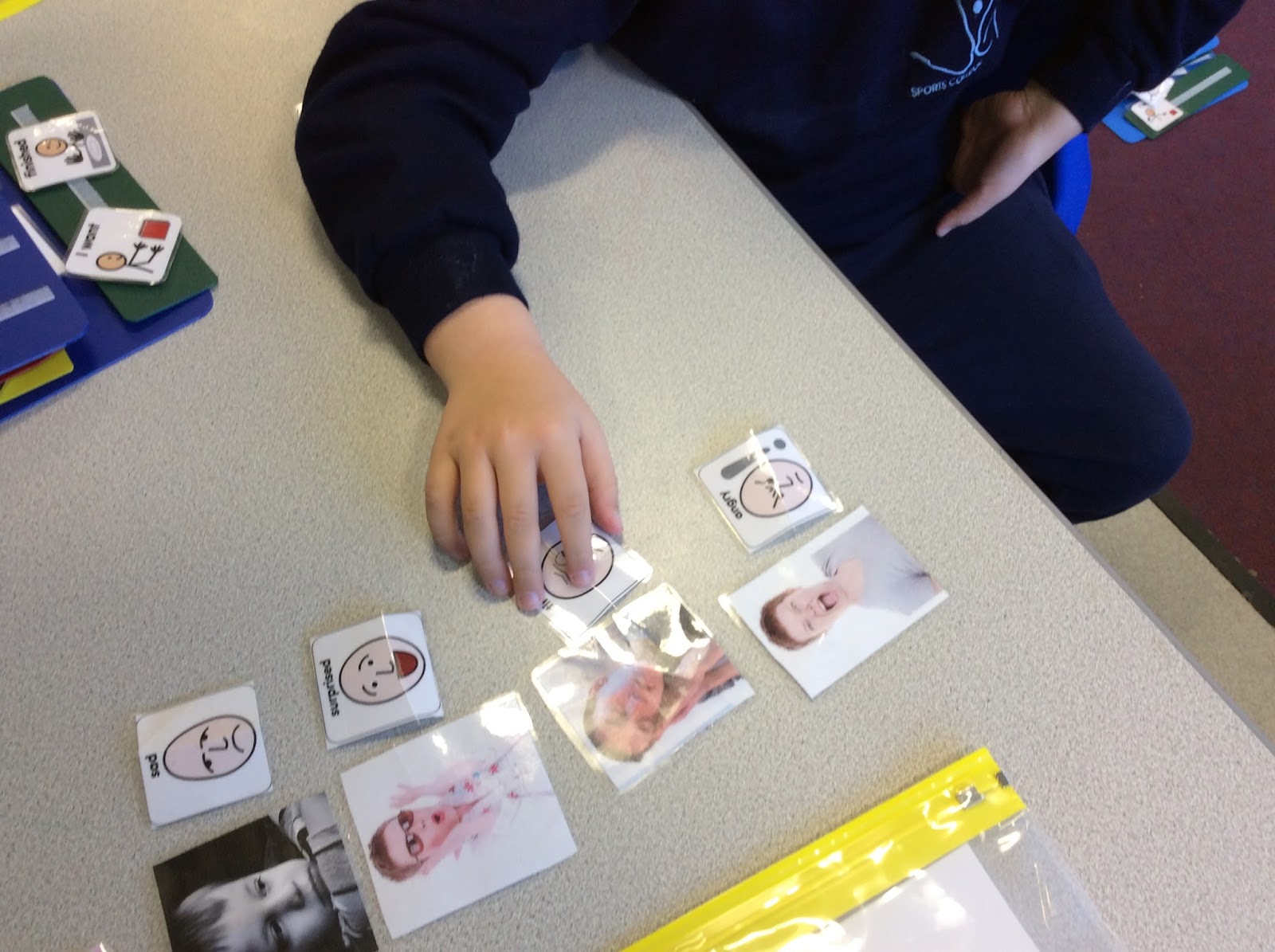
Understanding emotions

The only way, as a school, we had successful outcomes for some of our more challenging students was to alter the way we did things and provide them with a bespoke environment to meet their needs, and adapt the curriculum accordingly. 

Working independently - Attention Autism

The ‘Attention Autism’ programme transformed the way I taught. The basic premise is that if you want children to learn, you have to make it worth their while learning! It’s not easy - you need to be confident in what you are doing and show that the pupils are making progress. 
It didn’t always work - some students need the level of support that only a 24 hour curriculum can provide - but when it did, it was amazing. By asking ourselves what those complex, stressed and anxious children were telling us with their challenging and, sometimes bizarre behaviour patterns we were able to slowly help them find better ways. 

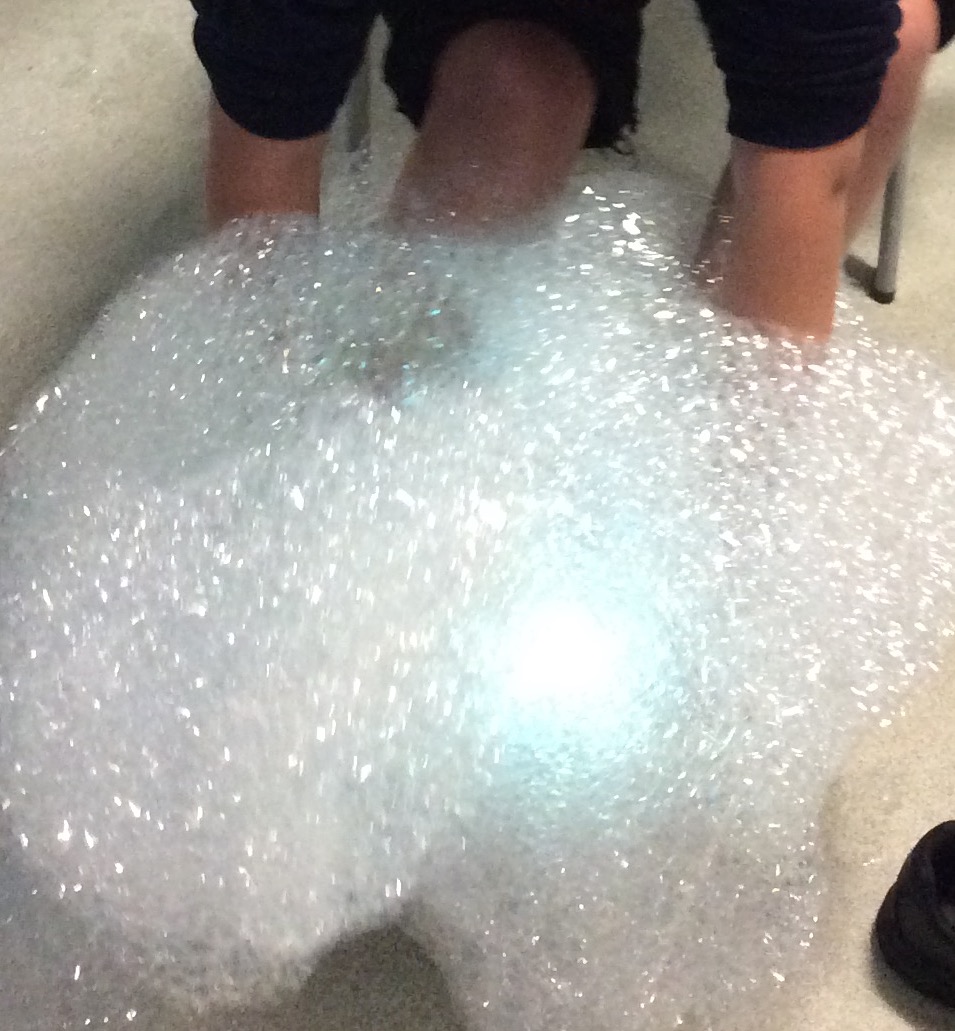
Addressing sensory needs

It could have been through offering them visual support, teaching them to use symbols or pictures to communicate or addressing their sensory needs but the key was always consistency - it could be tedious and relentless, but it enabled us to build trusting relationships which lasted way beyond their time in our classes. 

So engaged

I still see one of my former pupils - he comes to cook his dinner in my house sometimes - and he still trusts that his friend and respite carer and me will behave and treat him in the same way as we always have. He even trusts us enough to have allowed us to persuade him to try ice skating at Christmas!

He really needed a taller penguin!


When we listen to children and young people with autism, and successfully interpret what their behaviours are telling us it can be truly joyful. 

A joyful relationship
That is why you will find teachers and TAs in Complex Needs schools around the country putting up with far more than anyone should have to in their place of work.

Thursday, 4 January 2018

Just saying...

Bless me reader, for I have sinned - it is eight weeks since my last post! To be honest, anything I would usually write at this time of year is mostly related to my issues dealing with shorter days, how much I dislike winter, in spite of my love of cosiness and candles, and how hibernation seems really appealing!

Loving candles...

But I’m not going to write about that!
The dust has now settled after the festive season, and my house is now back to ‘normal’, with the welcome addition of some new nice things, and I have had time to reflect on the past few weeks. We were lucky enough to have a lovely Christmas - visits from family, good food and thoughtful gifts - and lots of happy memories created. 

Glorious plant stand! 

Hare and tea light lanterns!

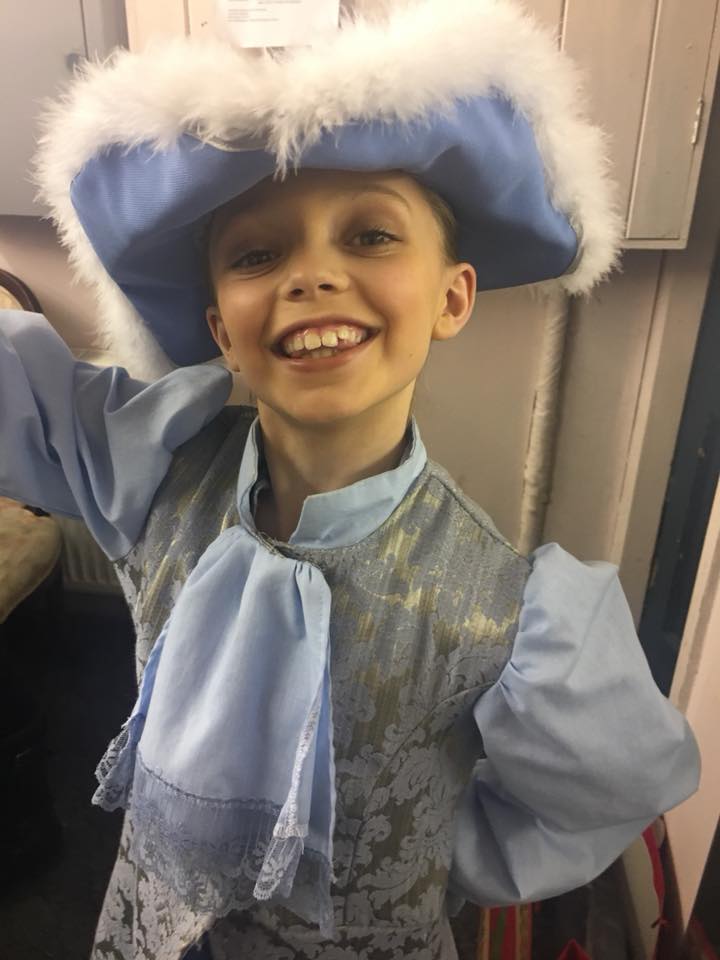
It struck me that two of the things I enjoyed the most were a visit to my granddaughter’s ballet class and seeing my great niece, perform in professional panto at a local theatre (oh yes she did!) It was completely joyous to watch both these beautiful girls, aged 6 and 8, dance and act. 

She's behind you! 

How lucky they are to have parents that value the performing arts, and have the wherewithal to allow them to do it. It is no coincidence that both their mums danced when they were younger.
My children did not dance, but they did both learn instruments and this gave them a richness in their lives that they wouldn’t otherwise have had. Previous Christmases have seen me proudly watching my son perform the Snowman on his violin, and quietly snivelling as my daughter played ‘Have Yourself a Merry Little Christmas’ to me on the piano. Despite my changing finances, following my divorce, I was determined that, whatever happened, I would continue to fund my children’s music lessons, and, to this day, they both have a love of music and playing their instruments.

Still playing their instruments, many many years after this!!

And then I started to wonder about all those children whose parents didn’t dance, didn’t have the benefit of private music lessons, but who would gain so much from the discipline, the concentration, the teamwork that comes from being involved in performing? The answer used to be, of course, that all children would have these opportunities when they went to school. But in these straitened times you don’t have to google for too long to find examples of schools cutting back on their performing arts provision  - not only can they not afford to employ specialist staff, they also feel that they  can no longer afford the curriculum time. There is so much pressure on schools to deliver incremental improvements in maths and english that they are almost scared to do anything else. Before I retired I worked in a class delivering specialist autism provision. I can say now (safe from Ofsted’s reach) that if the curriculum didn’t fit, we pretty much ignored it. 

A vehicle for communication...

We used it as a vehicle to deliver what our students really needed - opportunities to communicate, interact and cope with things not always going to plan (a common occurrence in my classroom!) Our students were so caught up in their own consciousness that, sometimes, our bonkers music sessions were the only thing that they did together. Did it fit the curriculum? Probably not. Did the children benefit? Definitely. Not so sure about the staff - I think they still have nightmares! The point is that sometimes access to something other than a prescriptive curriculum can have untold benefits. 

Watching her friends

There’s a huge amount of maths in music, and watching my granddaughter hanging onto the words of her dance teacher and watching the other dancers made me realise how hard she was concentrating. I found a fascinating article about how a school in Bradford has improved its SATs results by giving its pupils six (yes, six) hours of music a week 

It actually scares me that some of our children, especially those living in socially deprived areas, could grow up experiencing an ever narrowing curriculum and miss out on experiences that could not only support them academically, but also help them to be more rounded individuals as they go through life. 

Just saying…